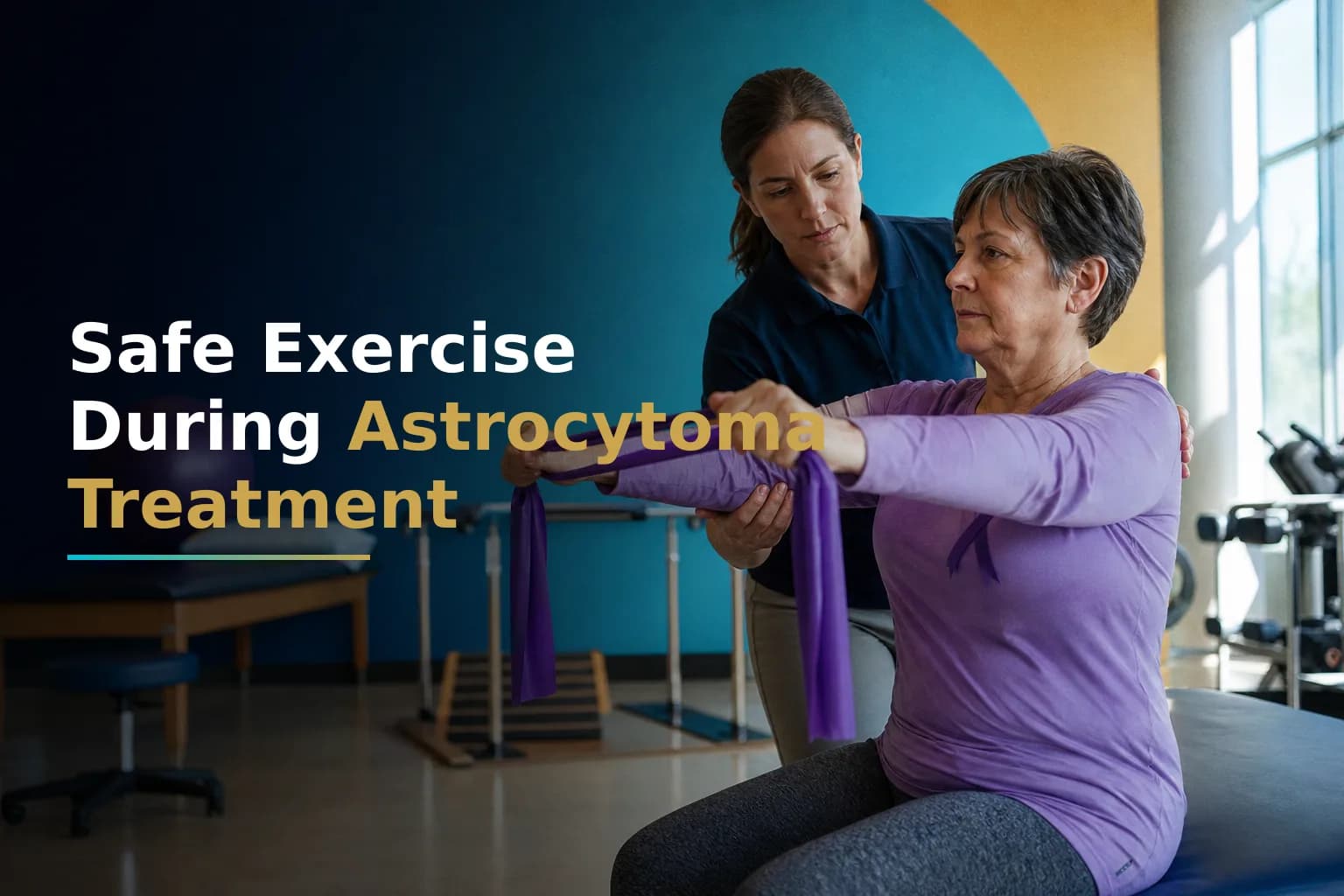
Why Exercise Has a Place in Astrocytoma Care
An astrocytoma diagnosis moves fast. Surgery, radiation, and chemotherapy fill the calendar quickly, and exercise rarely seems urgent. But research shows it should be. Physical activity is not a cure and does not replace standard treatment. It may, however, help manage some of the difficult side effects of astrocytoma therapy and protect function during a treatment course that can last many months.
This article explains what the evidence shows, which types of activity appear safest for brain tumor patients, and how to work with your care team to build a plan that fits your current abilities.
What Treatment Does to the Body and Brain
Astrocytoma and its treatments attack function on several fronts at once. The tumor can press on motor or language areas. Surgery may cause temporary weakness or coordination problems depending on where the tumor sits. Radiation to the brain brings fatigue, and temozolomide chemotherapy compounds it. Corticosteroids (used to reduce brain swelling) cause muscle wasting and bone density loss over time. Anti-seizure medications add their own fatigue burden.
For many patients, the pattern is clear: fatigue leads to less activity, which worsens weakness, which increases fatigue. Rehabilitation and structured exercise aim to interrupt that cycle before function erodes too far to recover easily.
What the Research Shows
For a long time, clinicians assumed brain tumor patients were too fragile for structured exercise. That assumption has been challenged. A 2021 systematic review of physical activity and exercise in adults with primary brain cancer found that exercise was safe and feasible across a range of tumor types and treatment stages. The review found benefits in fatigue, physical function, and mood. The studies showed no serious exercise-related side effects.
An earlier review of exercise in neuro-oncology found that aerobic and resistance training programs may reduce fatigue, improve quality of life, and support cognitive function in glioma patients. The authors noted that most studies were small and called for larger clinical trials, a caveat still worth keeping in mind today.
The joint clinical practice guideline from the American Society of Clinical Oncology (ASCO) and the Society for Integrative Oncology (SIO), updated after reviewing 113 randomized controlled trials, now lists exercise as a first-line treatment for cancer-related fatigue during and after treatment. The guideline also mentions tai chi and qigong as effective options during active cancer treatment.
For recovery, a review of multidisciplinary rehabilitation after primary brain tumor treatment found that patients in structured rehabilitation programs made significant functional gains, similar to those recovering from traumatic brain injury or stroke. Patients who entered rehabilitation earlier had better outcomes.
Types of Exercise and What Each Addresses
What works best for you depends on your tumor location, current deficits, treatment phase, and baseline fitness. Here are the main types of exercise and what each may help with.
Aerobic Exercise
Walking, stationary cycling, and swimming help with cancer-related fatigue and cardiovascular deconditioning. Low-to-moderate intensity aerobic exercise (at a pace where you can still hold a conversation) works well during active chemoradiation. Walking is the most studied form in brain tumor patients and has the lowest fall risk when done on level ground with good footwear and a clear path.
The ActiNO exercise program for glioma patients, one of the structured programs developed for this population, found that moderate-intensity aerobic training during chemotherapy was feasible. Participants accepted it well and showed improvements in cardiorespiratory fitness and quality of life.
Resistance and Strength Training
Corticosteroids like dexamethasone are commonly prescribed to reduce brain swelling during astrocytoma treatment. A side effect of long-term steroid use is proximal muscle weakness, particularly in the hips and thighs. This weakness makes walking, climbing stairs, and rising from a chair harder. Resistance training targets this directly.
Light-to-moderate resistance work (resistance bands, bodyweight exercises, or supervised machine training) may help preserve muscle mass and independence. If you have focal weakness from the tumor or surgery, a physical therapist can design exercises around that weakness without making it worse.
Balance and Coordination Training
Tumors in or near the cerebellum, motor cortex, or brainstem can impair balance and coordination. Radiation effects on surrounding tissue may worsen these problems. According to the National Brain Tumor Society, physical therapists with neurology training are well-suited to evaluate balance deficits in brain tumor patients and design fall-prevention programs.
Balance exercises (supported single-leg standing, heel-to-toe walking, gentle weight-shifting on a slightly unstable surface) work well under a therapist's guidance. Even modest improvements in balance reduce fall risk and boost confidence during everyday tasks like climbing stairs or walking on uneven pavement.
Mind-Body Practices: Yoga, Tai Chi, and Qigong
Mind-body practices combine gentle movement with breath awareness and relaxation. For astrocytoma patients managing fatigue, anxiety, and disrupted sleep, these approaches may help in several ways. The ASCO-SIO fatigue guideline specifically names tai chi and qigong as recommended options during active cancer treatment.
Many comprehensive cancer centers and online platforms offer adapted yoga programs for patients with limited mobility or balance challenges. Choose instructors with cancer-specific training, as changes for neurological conditions require specialist knowledge.
Cognitive Rehabilitation: The Often-Overlooked Piece
Physical exercise gets most of the attention, but cognitive rehabilitation matters just as much for many astrocytoma patients. Treatment-related cognitive fog (sometimes called chemo brain) affects attention, working memory, processing speed, and word retrieval. Tumor location can add specific deficits on top of treatment effects.
Cognitive rehabilitation uses structured exercises to retrain these skills. Programs are typically delivered by a neuropsychologist or speech-language pathologist and may include computerized attention and memory training, compensatory strategy coaching (using planners, reminders, and systematic organizational tools), and energy conservation techniques.
Emerging research suggests that aerobic exercise may support cognitive recovery by promoting neuroplasticity (the brain's capacity to form and strengthen new connections). More research is needed in astrocytoma populations, but many neuro-oncology centers now combine physical and cognitive exercise in one program.
If you are receiving temozolomide and want to understand how other integrative approaches fit alongside your chemotherapy, the article on supplements and drug interactions during brain tumor chemotherapy covers what the evidence shows about safety alongside standard treatment.
Safety Considerations Specific to Astrocytoma Patients
Brain tumor patients face exercise risks that other cancer patients typically do not encounter. Knowing these risks helps you and your care team design a safer program from the start.
Seizures. Astrocytomas carry a higher seizure risk than most other cancers. If you've had a recent seizure or your doctors are adjusting your anti-seizure medication, your oncology team may ask you to wait before starting a new exercise program. Don't swim alone or use equipment near water until seizures are well-controlled. Exercise with a companion or in a supervised setting when seizure control is uncertain.
Fatigue patterns. Cancer-related fatigue in brain tumor patients does not always improve with rest alone. Pushing through severe fatigue can actually make it worse. Many patients find their energy peaks mid-morning, several hours after waking. Start with short sessions (15 to 30 minutes) and build gradually based on how you feel in the following days.
Corticosteroid effects. High-dose dexamethasone weakens muscles and impairs balance more than most patients expect. Start any new exercise at lower intensity and progress slowly. Steroid-related high blood sugar is also common; if your team has asked you to monitor glucose, check readings around exercise sessions.
Bone health. Long-term steroid use reduces bone density. High-impact activities and exercises with fall risk need extra caution. Weight-bearing exercise still helps bone health but needs supervision, especially early in rehabilitation.
Neurological deficits. Weakness, visual field changes, or sensory loss from the tumor or surgery alter your fall risk profile in ways a standard fitness assessment will miss. A formal physical therapy evaluation before starting any independent program is the safest starting point.
For a broader look at how integrative approaches fit alongside standard astrocytoma treatment, the article on integrative treatments for high-grade glioma reviews the evidence base for complementary therapies used alongside chemoradiation.
Building Your Rehabilitation Team
Exercise during astrocytoma treatment rarely works best as a solo effort, particularly during active therapy. A multidisciplinary rehabilitation team can assess your specific deficits and build a program around them. Teams at comprehensive cancer centers typically include some combination of the following specialists:
- Physical therapist (PT): Evaluates mobility, strength, balance, and fall risk. Designs progressive exercise programs and assists with gait training and adaptive equipment.
- Occupational therapist (OT): Focuses on daily living skills (bathing, dressing, cooking, driving readiness) and changes the home to prevent falls.
- Speech-language pathologist (SLP): Addresses language, swallowing, and aspects of cognitive rehabilitation including memory and attention strategies.
- Neuropsychologist: Conducts formal cognitive testing and guides structured cognitive rehabilitation programs.
- Exercise physiologist: A certified cancer exercise specialist at larger cancer centers can design aerobic and resistance programs matched to your treatment and lab values.
Ask your neuro-oncologist or oncology nurse navigator for a rehabilitation referral early in your treatment course. Waiting until significant function is lost means working harder to recover what could have been preserved. The Memorial Sloan Kettering Cancer Center guide to exercise during and after cancer treatment offers a practical framework while you arrange a formal rehabilitation assessment.
Nutrition, Sleep, and the Bigger Picture
Exercise does not work in isolation. Sleep quality, nutritional status, and hydration all shape how well your body responds to both treatment and physical activity. Corticosteroids disrupt sleep architecture. Chemotherapy and radiation affect appetite. These challenges compound fatigue and slow recovery from both treatment and exercise.
Adequate protein intake helps preserve muscle mass, especially when corticosteroids are involved. Staying well hydrated supports energy and may ease the cognitive fog that dehydration worsens. For patients interested in how dietary timing may interact with treatment, the article on intermittent fasting and metabolic approaches to brain tumor treatment summarizes the current evidence.
When to Talk to Your Doctor
Speak with your oncologist or care team before starting or resuming any exercise program if any of the following apply:
- You have had a seizure in the past three months or your anti-seizure medication has recently changed
- You have notable weakness, balance problems, or coordination difficulties from the tumor or surgery
- You are on high-dose corticosteroids or have noticed steroid-related muscle weakness
- You experience new or worsening headaches, visual changes, or confusion during or after physical exertion
- Your platelet count or other blood counts are below the thresholds your care team considers safe for exercise
A physical therapy referral through your oncology team is the safest starting point. Formal assessment before independent exercise replaces guesswork with a program built around your actual current situation.
This article is for general information and is not a substitute for medical advice. Always consult your oncologist or care team about your specific situation.