
Key Takeaways
- Integrative therapies complement — they don't replace — standard treatment. Surgery, radiation, and temozolomide remain the foundation of glioblastoma care.
- Hyperbaric oxygen therapy (HBOT) has shown promise in making radiation and chemotherapy more effective by reducing tumor hypoxia, with a favorable safety profile.
- The ketogenic diet is being studied in active Phase 2 clinical trials and appears safe and feasible alongside standard glioblastoma treatment.
- Natural compounds like curcumin and Boswellia serrata have demonstrated anti-tumor and anti-inflammatory effects in laboratory and early clinical studies.
- Mind-body practices, acupuncture, and structured exercise can meaningfully improve quality of life and manage treatment side effects.
Introduction
If you or someone you love has been diagnosed with glioblastoma, you've probably found yourself searching for every possible option — anything that might improve outcomes, reduce side effects, or simply make the treatment journey more manageable. That instinct is completely natural, and you've come to the right place.
Integrative oncology is the practice of combining evidence-based complementary therapies with conventional medical treatment. It's not about replacing your surgeon, radiation oncologist, or chemotherapy regimen — it's about adding well-researched supportive strategies that may enhance how your body responds to treatment and improve how you feel along the way.
Over 50% of glioblastoma patients explore complementary and alternative approaches during their care. In this guide, we'll walk through the most promising integrative treatments backed by current research, so you can have informed, confident conversations with your neuro-oncology team about what might be right for your situation.
Hyperbaric Oxygen Therapy (HBOT)
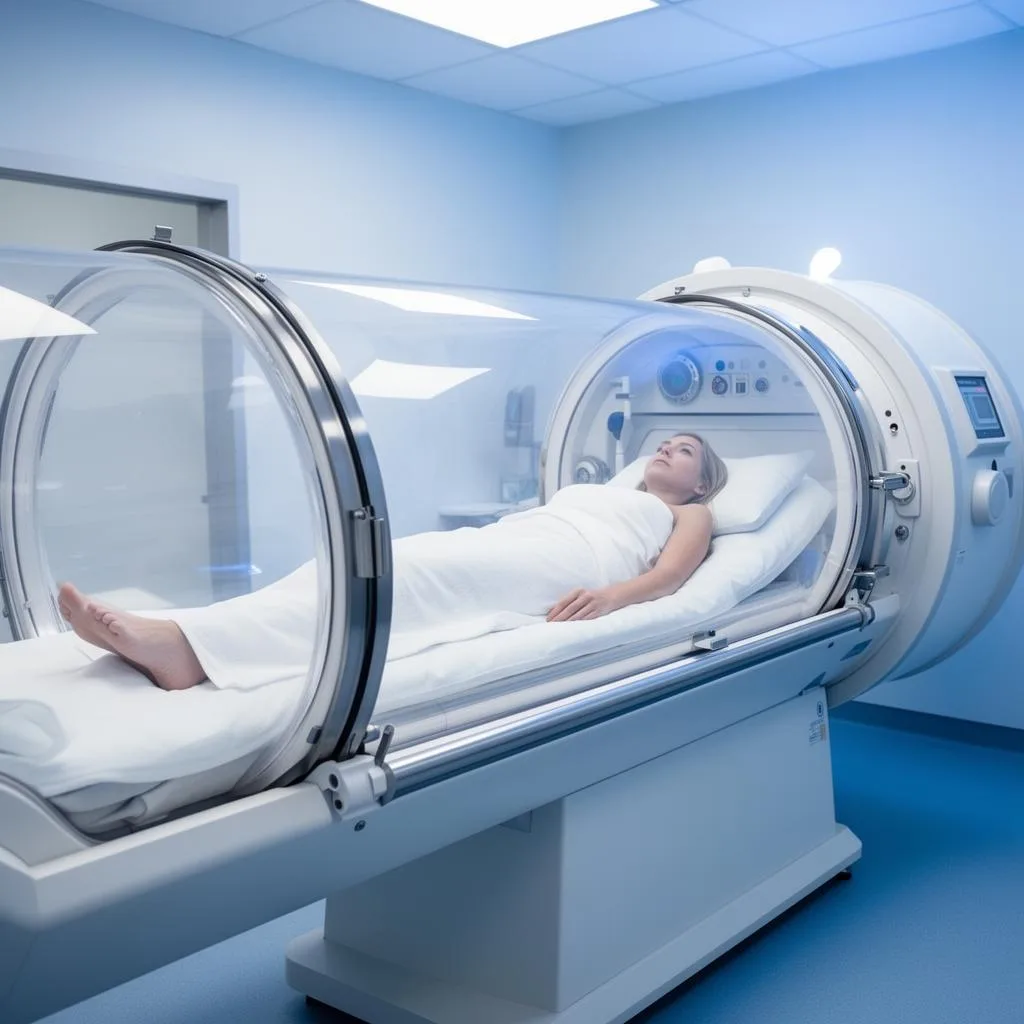
Hyperbaric oxygen therapy involves breathing pure oxygen inside a pressurized chamber, which significantly increases the amount of oxygen dissolved in your blood and delivered to your tissues — including the brain. This matters deeply for glioblastoma because tumors create pockets of low oxygen (called hypoxia), and those low-oxygen zones are exactly where cancer cells become most resistant to radiation and chemotherapy.
What the Research Shows
A comprehensive 2025 literature review published in Medical Gas Research found that when HBOT is combined with radiation and chemotherapy, it can increase survival duration and reduce radiation-induced brain injury. A 2025 study in Frontiers in Molecular Neuroscience confirmed that hyperbaric oxygen enhances sensitivity to temozolomide by suppressing HIF-1α and HIF-2α — proteins that tumor cells use to thrive in low-oxygen environments.
A 2024 case report in Oncology Letters documented a patient with recurrent glioblastoma who received HBOT combined with stereotactic radiosurgery and showed measurable improvements in physical function, including grip strength and walking ability.
How It Works at the Molecular Level
The key pathway connects like this: HBOT floods the tumor with oxygen → this suppresses HIF-1α (hypoxia-inducible factor), a master regulator that helps glioblastoma cells survive in low-oxygen conditions → with HIF-1α suppressed, the tumor loses the ability to pump out chemotherapy drugs through ABCG2 transporters (a resistance mechanism) → this makes temozolomide more effective at reaching and destroying tumor cells.
Additionally, the increased oxygen promotes the formation of reactive oxygen species (ROS) during radiation therapy, amplifying DNA damage to cancer cells. HBOT also appears to reduce glioblastoma stem cell formation — the stubborn subset of cells most responsible for tumor recurrence.
Safety & What to Discuss
HBOT has a well-established safety profile. The incidence of adverse reactions is low, and when they occur, they are generally mild and manageable. Common side effects may include temporary ear pressure, mild fatigue, or (rarely) transient changes in vision.
If HBOT interests you, ask your neuro-oncologist whether combining it with your radiation and/or temozolomide schedule might be an option. Coordination between the HBOT facility and your radiation center is important, as some protocols deliver HBOT immediately before radiation sessions for maximum effect.
The Ketogenic Diet
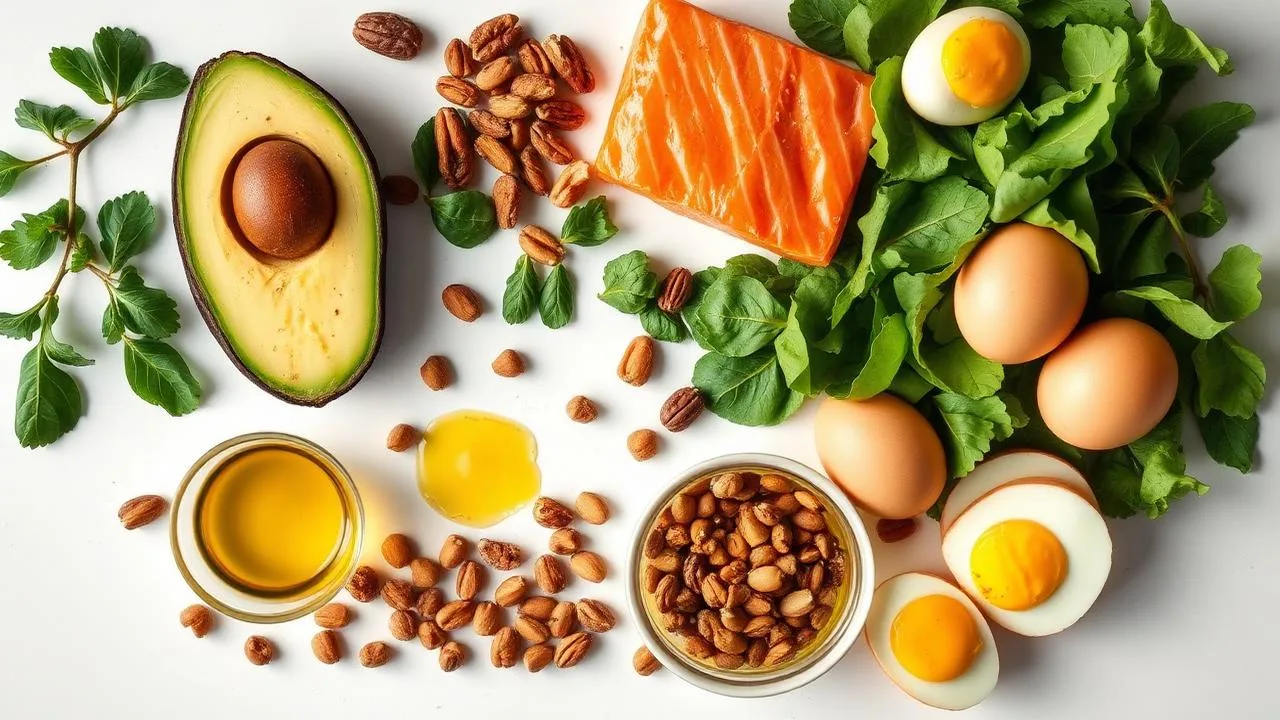
The ketogenic diet — a high-fat, very-low-carbohydrate eating plan — has become one of the most actively studied dietary approaches in glioblastoma care. The rationale is rooted in a fundamental difference between normal brain cells and glioblastoma cells: healthy neurons can efficiently use ketone bodies for fuel, while glioblastoma cells are heavily dependent on glucose. By dramatically reducing carbohydrate intake, the ketogenic diet aims to "starve" the tumor of its preferred energy source.
What the Research Shows
A Phase 1 trial from Cedars-Sinai, published in Scientific Reports in 2025, confirmed that a supervised 3:1 ketogenic diet is safe and feasible alongside standard chemoradiation for newly diagnosed glioblastoma patients. A prospective Greek clinical study published in Frontiers in Nutrition (2024) reported promising insights, including one patient who showed no evidence of tumor recurrence at 79 months after diagnosis while adhering to a ketogenic diet.
Active Clinical Trial: DIET2TREAT
The most significant ongoing study is DIET2TREAT (NCT05708352), a Phase 2 randomized controlled trial at Cedars-Sinai enrolling 170 newly diagnosed glioblastoma patients. This trial directly compares a ketogenic diet to standard dietary guidance, both alongside standard-of-care treatment. It represents the most rigorous test to date of whether the ketogenic diet meaningfully improves survival in glioblastoma.
Practical Considerations
Adherence is the biggest challenge. The ketogenic diet requires significant lifestyle changes — tracking macronutrients carefully, avoiding most carbohydrates, and often working with a nutritionist experienced in therapeutic ketogenic protocols. Some patients find modified versions (such as a modified Atkins diet) more sustainable while still achieving meaningful ketosis.
Natural Compounds and Supportive Therapies
| Therapy | Category | Evidence & Mechanism | Notes & Cautions |
|---|---|---|---|
| Curcumin | Natural Compound | The active compound in turmeric, curcumin modulates multiple pathways glioblastoma relies on for growth — including PI3K/AKT/mTOR, NF-κB, JAK/STAT3, and Wnt/β-catenin. In preclinical studies, curcumin inhibits glioblastoma cell proliferation, induces apoptosis, and enhances the effectiveness of both temozolomide and radiation therapy. A phase I trial demonstrated oral curcumin at doses up to 8g/day was well-tolerated. | A key limitation is poor oral absorption. Researchers at Johns Hopkins are conducting a Phase I/II trial (NCT05768919) of liposomal curcumin — an intravenous version designed for much higher bioavailability. |
| Boswellia Serrata | Anti-Edema | Boswellia serrata has earned attention in neuro-oncology for its ability to reduce cerebral edema — the brain swelling that commonly occurs during and after radiation therapy. In a landmark randomized, double-blind, placebo-controlled trial, patients receiving Boswellia (4,200 mg/day) experienced a greater than 75% reduction in cerebral edema in 60% of cases, compared to just 26% in the placebo group. Additional research has identified direct anti-tumor properties of boswellic acids against glioblastoma stem-like cells. | Significant because managing edema often requires long-term use of corticosteroids with considerable side effects. |
| Medicinal Mushrooms | Immunomodulatory | Reishi, turkey tail, and chaga mushrooms contain bioactive compounds called beta-glucans and polysaccharides that have demonstrated immune-modulating and anti-tumor properties in laboratory research. Preclinical studies show reishi extract inhibits glioblastoma cell proliferation, induces apoptosis, and causes cell cycle arrest. Turkey tail mushrooms have been shown to enhance natural killer (NK) cell activity during chemotherapy. | Most evidence comes from lab and animal studies. No completed large-scale human trials in GBM. Supplements vary enormously in quality. |
| Exercise & Physical Activity | Quality of Life | A 2025 review in Frontiers in Oncology called physical activity a "paradigm shift in neuro-oncology therapy." Clinical studies confirm exercise is safe and feasible during active treatment, with no exercise-related injuries in supervised programs. Studies report improvements in fatigue, physical function, cognitive performance, and emotional well-being. High-intensity training was possible in selected patients, even with neurological impairments. | Even gentle, regular walking has been associated with benefits. Resistance training helps maintain muscle strength during temozolomide cycles and corticosteroid use. |
Mind-Body Practices: Meditation, Yoga, and Mindfulness

The emotional and psychological dimensions of living with glioblastoma are just as real as the physical ones. Mind-body practices have a strong evidence base for improving quality of life in cancer patients, with specific research supporting their use in brain tumor care.
A meta-analysis of 46 randomized controlled trials found statistically significant improvements in quality of life, depression, and anxiety among cancer patients practicing mindfulness-based interventions. In high-grade glioma patients specifically, a dyadic yoga program demonstrated clinically significant reductions in cancer-related symptoms and sleep disturbances.
The Duke University Tisch Brain Tumor Center and UCSF Brain Tumor Center both offer dedicated mindfulness and yoga programs tailored to brain tumor patients. The National Brain Tumor Society's Meditation Mondays program offers free, accessible guided sessions designed specifically for the brain tumor community.
Acupuncture for Symptom Management
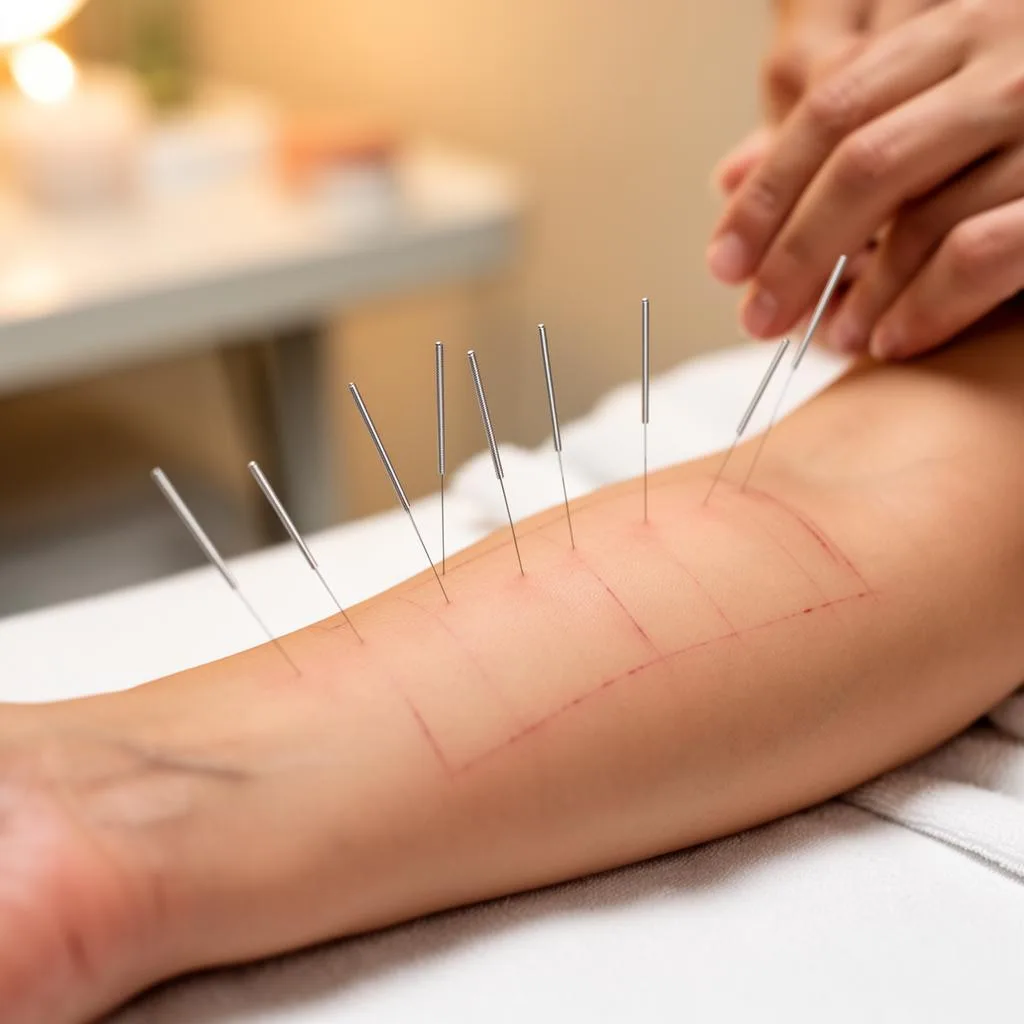
While acupuncture does not directly treat glioblastoma, it has earned recognition as a supportive care modality for managing treatment-related side effects — particularly pain, nausea, fatigue, and chemotherapy-induced peripheral neuropathy.
Systematic reviews and meta-analyses confirm that acupuncture can meaningfully reduce cancer-related pain, decrease the need for pain medications, and improve quality of life during active treatment. A 2024 dose-response meta-analysis identified optimal treatment frequencies for managing chemotherapy-induced neuropathy.
Many major cancer centers, including Memorial Sloan Kettering and MD Anderson, now offer integrative medicine programs that include acupuncture as part of comprehensive cancer care.
An Integrative Approach: Putting It All Together
2025 Pilot Study Highlight
A 2025 pilot study published in Cancers (MDPI) evaluated 72 newly diagnosed glioblastoma patients using an integrative oncology protocol combining natural substances (including polydatin, curcumin, and Boswellia serrata) alongside standard radiochemotherapy. The group receiving integrative treatment showed a median overall survival of 25 months compared to 13.3 months in the comparison group, along with fewer treatment side effects, less post-radiation edema, and more stable blood counts.
While this study was preliminary and lacked the randomized, blinded design needed for definitive conclusions, it illustrates the potential of a coordinated integrative approach under medical guidance.
Current Clinical Trials in Integrative Glioblastoma Therapy
| Trial | Focus | NCT Number | Status |
|---|---|---|---|
| DIET2TREAT (Cedars-Sinai) | Ketogenic diet vs. standard dietary guidance | NCT05708352 | Recruiting |
| Liposomal Curcumin (Johns Hopkins) | IV liposomal curcumin + RT + TMZ | NCT05768919 | Recruiting |
| Ketogenic Diet + Metformin (Weill Cornell) | Ketogenic diet combined with metformin | NCT04691960 | Active |
| Metabolic Therapy Program (Waikato, NZ) | Metabolic therapy alongside standard treatment | NCT04730869 | Active |
| Mind-Body Intervention (MD Anderson) | Online mind-body program for glioma patients | NCT03244995 | Active |
You can search for additional trials at ClinicalTrials.gov by entering "glioblastoma" along with keywords like "integrative," "complementary," "ketogenic," or "curcumin."
Questions to Bring to Your Care Team
- I'm interested in hyperbaric oxygen therapy alongside my radiation. Is there evidence it could enhance my treatment response, and are there HBOT centers near our treatment facility?
- Would a supervised ketogenic diet be appropriate during my chemoradiation? I've read about the DIET2TREAT trial (NCT05708352) — could I be eligible?
- I'd like to explore curcumin supplementation. Given the bioavailability challenges with oral forms, what formulation would you recommend? And would the liposomal curcumin trial at Johns Hopkins be worth considering?
- I'm experiencing significant brain swelling. Could Boswellia serrata be used alongside dexamethasone, or potentially allow us to reduce my steroid dose over time?
- What type of exercise program would be safe and appropriate for me right now? Can you refer me to a physiotherapist or exercise oncologist?
- Does your center have an integrative medicine department, or can you refer me to one that works with neuro-oncology patients?
Moving Forward with Confidence
Living with glioblastoma means navigating an enormous amount of information, and it's completely understandable to feel overwhelmed by the choices in front of you. What we hope this guide has shown you is that integrative therapies aren't about grasping at straws — they're about thoughtfully adding evidence-based strategies to your treatment plan, in partnership with your care team.
Every glioblastoma is different, and what works for one person may not be right for another. That's why the most important step is always the same: bring what you've learned to your neuro-oncologist, ask questions, and make decisions together. You are your own best advocate, and your care team is your most important partner.
References
- Li Q, et al. "Hyperbaric oxygen therapy as an adjunct treatment for glioma and brain metastasis." Medical Gas Research, 2025.
- Zhang Y, et al. "Hyperbaric oxygen promotes both the proliferation and chemosensitization of glioblastoma cells by inhibiting HIF1α/HIF2α-ABCG2." Frontiers in Molecular Neuroscience, 2025.
- Deng Z, et al. "Hyperbaric oxygen therapy enhances restoration of functional outcomes in recurrent glioblastoma." Oncology Letters, 2024.
- Stupp R, et al. "Hyperbaric Oxygen Therapy as a Complementary Treatment in Glioblastoma — A Scoping Review." Frontiers in Neurology, 2022.
- Meijer A, et al. "A phase 1 safety and feasibility trial of a ketogenic diet plus standard of care for patients with recently diagnosed glioblastoma." Scientific Reports, 2025.
- Kalaitzoglou I, et al. "Successful application of dietary ketogenic metabolic therapy in patients with glioblastoma." Frontiers in Nutrition, 2024.
- DIET2TREAT: Phase 2 Randomized Trial — NCT05708352.
- Zanotto-Filho A, et al. "Anticancer Mechanism of Curcumin on Human Glioblastoma." Nutrients, 2021.
- Curcumin and Its Analogs in Glioblastoma Therapy. Antioxidants, 2025.
- Phase I/II Study of Liposomal Curcumin — NCT05768919.
- Kirste S, et al. "Boswellia serrata acts on cerebral edema in patients irradiated for brain tumors." Cancer, 2011.
- Ferrara C, et al. "A novel lecithin-based delivery form of Boswellic acids for radiochemotherapy-induced cerebral edema in glioblastoma." 2019.
- Gaiaschi L, et al. "Towards Effective Treatment of Glioblastoma: The Role of Combination Therapies and the Potential of Phytotherapy and Micotherapy." Current Issues in Molecular Biology, 2024.
- Silvani A, et al. "New Approach for Enhancing Survival in Glioblastoma Patients: A Longitudinal Pilot Study on Integrative Oncology." Cancers, 2025.
- Gonzalez I, et al. "Physical activity and glioblastoma: a paradigm shift in neuro-oncology therapy." Frontiers in Oncology, 2025.
- Milbury K, et al. "Yoga Program for High-Grade Glioma Patients Undergoing Radiotherapy." Integrative Cancer Therapies, 2018.
- Mindfulness-based interventions for cancer patients: A meta-analysis. Journal of Psychosomatic Research, 2025.
- Systematic review: Ketogenic diet in managing glioblastoma. Journal of Personalized Medicine, 2024.
This content is for informational purposes only and should not replace professional medical advice. Integrative treatments should always be discussed with and supervised by your neuro-oncology care team.