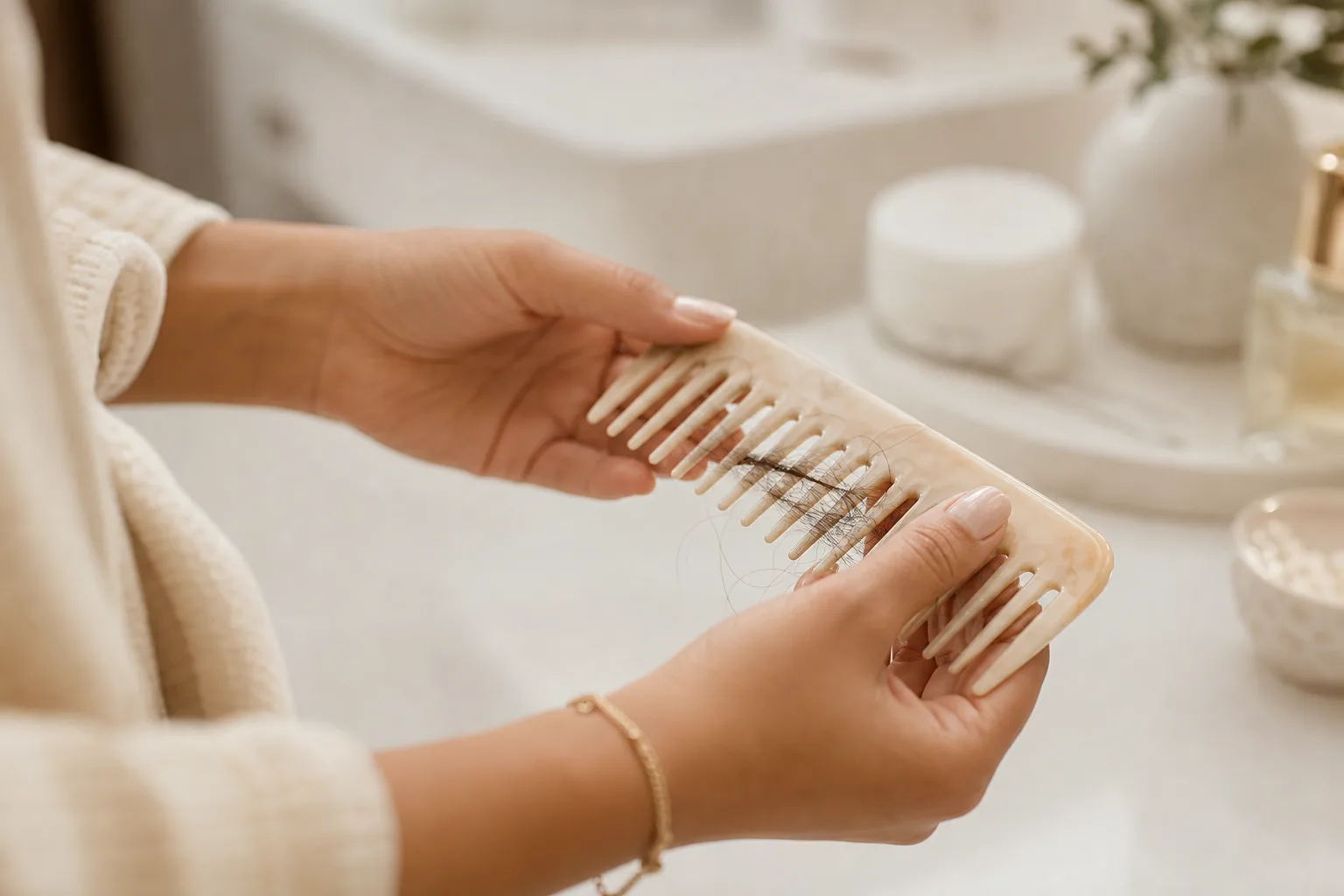
If you are going through breast cancer treatment and you notice hair in the shower drain, on your pillow, or tangled in your brush, you are not imagining things. Hair loss — called alopecia — is one of the most common and visible side effects of chemotherapy. It can be shocking, even when you expected it.
This article explains why hair loss happens, which treatments are most likely to cause it, what you can do to reduce or manage it, and how to take care of your emotional well-being along the way.
Does Breast Cancer Itself Cause Hair Loss?
No. Breast cancer itself does not cause hair loss — but certain breast cancer treatments can. The hair loss is a side effect of the treatment, not a symptom of the cancer. Knowing this can make the experience feel a little less frightening.
Why Does Chemotherapy Cause Hair Loss?
Chemotherapy drugs target cells that divide rapidly. Cancer cells divide quickly, which is why chemo can stop them. But some healthy cells in your body also divide quickly and can be affected too.
Hair follicles are among the fastest-growing cells in the body, so they are especially vulnerable to chemotherapy drugs. When the drugs travel through your bloodstream, they reach your hair follicles and disrupt the hair growth cycle. The result is hair that thins, breaks, or falls out.
Hair loss can affect more than just the hair on your head. Chemotherapy may also cause loss of eyebrows, eyelashes, pubic hair, and hair on the legs, arms, or underarms, which can feel like a sudden, whole-body change.
A large multicenter study published via PubMed Central (NIH) found that hair loss occurred in 99.9% of patients receiving anthracycline- and/or taxane-based chemotherapy for breast cancer. That study also found that noticeable hair loss began about 18 days after starting chemotherapy, on average.
Which Breast Cancer Drugs Are Most Likely to Cause Hair Loss?
The specific drug, the dose, and how often you receive it all affect how much hair you lose.
Chemotherapy
Drugs most commonly linked to significant hair loss during breast cancer treatment include:
- Anthracyclines — such as doxorubicin (often called "the red devil" because of its color)
- Taxanes — including docetaxel (Taxotere) and paclitaxel (Taxol)
- Cyclophosphamide — often used in combination regimens
Hormone Therapy
Some hormone therapies — including aromatase inhibitors like anastrozole, exemestane, and letrozole — may cause mild to moderate hair thinning, often at the frontal hairline, middle part, or crown of the head. This tends to be less severe than chemo-related hair loss.
Targeted Therapy
Targeted therapies such as trastuzumab (Herceptin) or pertuzumab (Perjeta) may cause mild hair thinning in some people, but generally do not cause complete hair loss.
Radiation Therapy
Radiation only causes hair loss in the area being treated. If your radiation targets the breast or chest, you will not lose hair on your head. If it is directed at lymph nodes under your arm, you may temporarily lose underarm hair in that area.
When Does Hair Loss Start — and How Much Will I Lose?
Hair loss usually begins within two to four weeks of starting chemotherapy. You may first notice your scalp feeling tender or sensitive, then hair may start coming out in clumps or gradually thin over several weeks.
How much hair you lose depends on:
- Which drug or combination of drugs you are receiving
- The dose and frequency of your treatment
- Your individual biology
Some people lose all the hair on their head. Others experience patchy loss or thinning. Not all chemotherapies cause total hair loss — some may cause thinning, and others may barely affect hair at all.
Will My Hair Grow Back?
For most people, yes. Hair loss from breast cancer treatment is almost always temporary. The large NIH-indexed multicenter study mentioned above found that scalp hair grew back in 98% of patients, with regrowth beginning about 3.3 months after chemotherapy ended, on average.
Sometimes hair starts growing back before treatment ends. When it returns, it may have a different texture, thickness, or color than before — at least at first. Many people notice softer or curlier hair initially, sometimes called "chemo curls." In most cases, hair gradually returns closer to its original state over time.
However, a small number of people experience incomplete or permanent hair loss. Although uncommon, taxane drugs such as docetaxel may cause long-lasting or permanent hair loss. If you are concerned about permanent hair loss, speak with your oncologist about the specific drugs in your treatment plan.
Can Hair Loss Be Prevented? Scalp Cooling Explained
Scalp cooling — also called cold cap therapy — is currently the main medically studied method for reducing chemotherapy-induced hair loss. It is the only method approved by the U.S. Food and Drug Administration (FDA) for chemotherapy-induced hair loss.
How does scalp cooling work?
A tight-fitting cap filled with cold gel or circulating coolant is worn on the head before, during, and after each chemotherapy infusion. The cold temperature causes blood vessels in the scalp to narrow, reducing blood flow to the area. This limits how much of the chemotherapy drug reaches the hair follicles, which may help protect them from damage.
Research shows scalp cooling can be effective for many patients. One prospective study published via PubMed Central (NIH) reported hair preservation rates of up to 80–90% in patients receiving taxane-based treatment. Results vary depending on the chemotherapy regimen used.
Is scalp cooling right for everyone?
Scalp cooling may not be suitable for all patients. Some concerns have been raised about whether reducing blood flow to the scalp could limit drug delivery. However, multiple studies have reported that scalp cooling does not increase the risk of scalp metastases or worsen prognosis. Your oncologist can help you weigh the benefits and risks for your specific situation.
Side effects of scalp cooling are generally mild and may include:
- Headaches
- Scalp discomfort or pain
- Feeling cold or chilled during infusion
- Occasional dizziness
Talk with your care team before treatment begins to find out if scalp cooling is available at your treatment center and whether it may be a good fit for you.
Practical Tips for Managing Hair Loss
Even if you cannot prevent hair loss, there are steps you can take to make the experience more manageable and to protect your scalp and remaining hair.
Before hair loss begins
- Cut your hair short. Some people find that transitioning to a short style before treatment starts makes the change feel less sudden. Others choose to shave their head ahead of time.
- Shop for a wig early. It can be easier to match your natural hair color and style before you lose your hair. Some organizations offer free or low-cost wigs to people going through cancer treatment.
- Stock up on head coverings. Scarves, turbans, soft hats, and beanies can be comfortable, warm, and stylish. Having options ready can help you feel prepared.
During hair loss
- Be gentle with your scalp. Use mild, fragrance-free shampoos and soft towels. Avoid tight hairstyles, heat tools, or harsh chemical treatments.
- Protect your scalp from sun exposure. Bald skin is more sensitive to UV rays. Wear a hat or sunscreen on your head when going outside.
- Sleep on a satin or silk pillowcase. This can reduce friction and make hair loss feel less abrupt.
- Stay warm. Hair does more than you might think to regulate body temperature. Lightweight hats or head coverings at night can help you stay comfortable.
After treatment ends
- Be patient. Hair regrowth takes time — often several months.
- Avoid dyeing or chemically treating new hair growth right away. Let it strengthen first.
- Ask your doctor whether any topical products may help speed regrowth. Some evidence suggests minoxidil may support faster regrowth after chemotherapy, though it has not been shown to prevent hair loss during treatment.
The Emotional Side of Chemotherapy Hair Loss
Hair loss is not just a physical change. For many people, it can be one of the hardest parts of a cancer diagnosis. Hair is closely tied to identity and self-image.
Research published in the NIH-indexed literature notes that hair loss can trigger anxiety, depression, and poor self-image, reducing quality of life. These feelings are real and valid — they are not a sign of weakness.
Some strategies that may help:
- Talk to someone. A therapist, counselor, or oncology social worker who understands cancer-related body image changes can be a helpful resource.
- Join a support group. Hearing from others who have been through the same experience can be powerful.
- Let people in. Close friends and family often want to help but do not know how. Letting them come with you to a wig fitting or appointment can make them feel useful and help you feel less alone.
- Acknowledge your feelings. It is okay to feel sad about the way your body is changing. Naming that feeling is a reasonable place to start.
- Focus on what you can control. Choosing how you cover and style your head can be an act of self-expression, not just loss.
For most people, hair loss during treatment is temporary. It is a sign that the treatment is moving through your body and doing its job against the cancer.
A Note on Other Cancer Types
If you or a loved one is also dealing with a brain tumor diagnosis, some chemotherapy side effects and emotional challenges overlap with those of breast cancer treatment. You may find these related resources helpful:
- Integrative Treatments for Glioblastoma: Evidence-Based Complementary Therapies That May Help — covers non-drug supportive approaches, some of which may also support general well-being during chemotherapy.
- Recurrent GBM: Why It Comes Back, What You Can Do, and How to Navigate What Comes Next — addresses quality of life considerations that apply broadly to anyone managing a difficult cancer diagnosis.
When to Talk to Your Doctor
Hair loss from chemotherapy is expected, but some situations are worth raising with your oncology team:
- You are not sure whether your specific treatment is likely to cause hair loss
- You want to ask about scalp cooling availability at your treatment center
- Your hair has not started regrowing several months after treatment has ended
- You are experiencing scalp pain, irritation, or unusual skin changes
- The emotional impact of hair loss is significantly affecting your daily life or mental health
Your care team can connect you with resources — including oncology social workers, support groups, and wig programs — to help you through this part of treatment.
This article is for general information and is not a substitute for medical advice. Always consult your oncologist or care team about your specific situation.