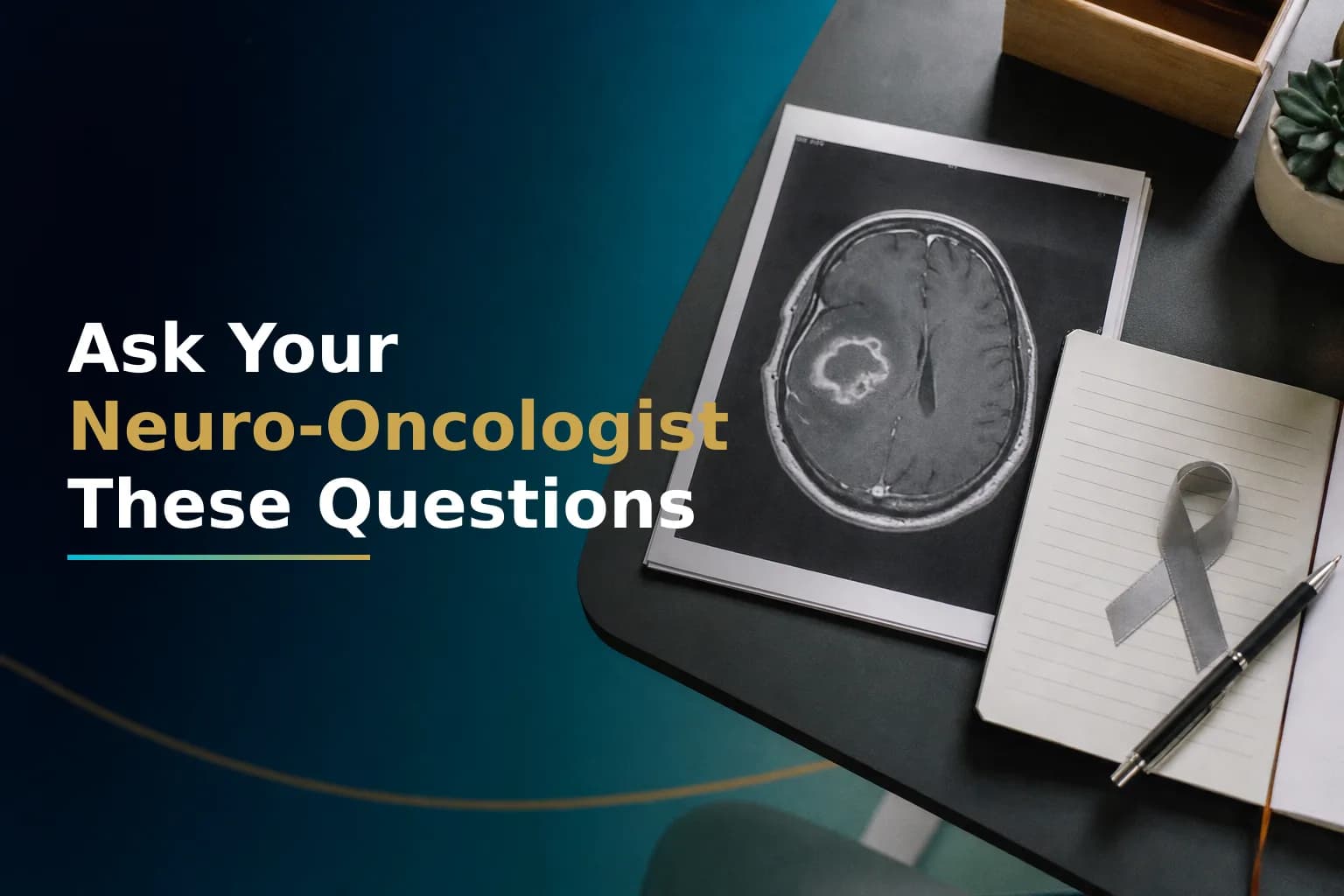
A glioblastoma diagnosis is scary. You'll see a specialist within days of getting the news. Most appointments last 30 to 60 minutes. Your doctor will talk about your test results, brain scans, and treatment plan - while you're still taking it all in. Bring written questions. They don't slow things down. They keep the conversation focused on what matters for your tumor and your situation, and they show your doctor you want to help make the decisions.
What Are the Most Important Questions to Ask at a First GBM Appointment?
Start with your molecular profile - your MGMT methylation status and IDH mutation status. Ask how these results will change your treatment. Ask if there are clinical trials you can join before you start treatment. Ask how to reach your doctors between appointments. These four topics cover the big decisions in your first two weeks.
Questions About Your Molecular Profile
Your pathology report is key to every treatment choice. It should be complete before you start treatment. A full workup for a grade 4 glioma checks IDH mutation status, MGMT promoter methylation status, TERT promoter mutation, EGFR amplification, and chromosome 7 gain or 10 loss. Some hospitals offer more detailed genetic testing that may find other mutations and could qualify you for additional trials. According to the NCI guide to brain tumor diagnosis questions, ask if DNA, genetic, or methylation testing will be done and when you'll get the results.
MGMT methylation is the most important marker at your first appointment. Tumors with a methylated MGMT promoter tend to respond better to temozolomide, the main chemotherapy drug used. If your MGMT is unmethylated, your doctors might change the treatment or look for a trial with a different approach. Ask directly: "Have my MGMT results come back yet? How will they change my treatment?"
If your report doesn't have molecular markers yet, or if the biopsy was done at a hospital without a specialized brain pathology team, ask if they can send your tissue to a specialist for a second look. Read the guide to what your glioblastoma pathology report really means before your appointment. It will help you understand the conversation and ask better questions in the room.
Questions About the Proposed Treatment Plan
If you're healthy enough for aggressive treatment, you'll likely start with the Stupp protocol: surgery if possible, then six weeks of radiation and chemotherapy together, then up to six months of chemotherapy alone. The American Brain Tumor Association question guide recommends asking what the standard treatment is for your tumor type and how your doctor's plan compares. If there are differences, ask why.
Your age, how you're functioning, where your tumor is, and your genetic markers all affect which version of the protocol your doctors recommend. Ask these questions to understand what they're suggesting and why:
- What is the goal of surgery - complete resection, maximal safe resection, or biopsy only?
- Is fluorescence-guided surgery using 5-ALA available at this center to help identify tumor margins?
- If the tumor is near speech or motor areas, has awake craniotomy with brain mapping been considered?
- Will I receive standard fractionated radiation (30 sessions) or a shorter hypofractionated course?
- Is Tumor Treating Fields (TTFields, brand name Optune) appropriate for my case alongside maintenance chemotherapy?
TTFields is a cap you wear on your head that sends mild electrical pulses to stop tumor cells from dividing. You use it with your chemotherapy if you're a candidate. Ask if your tumor's location and your overall health make you eligible, and if the team has worked with patients using it. Learning about each phase of the Stupp protocol before this appointment will help you ask better questions about the sequence and what each step requires. You can read about this at the Stupp protocol phase by phase guide.
Questions About Clinical Trials
Ask about trials at your first appointment, not after you've started treatment. Some trials only take patients who've just been diagnosed and haven't started treatment yet. Others require certain genetic markers to join. The National Brain Tumor Society key questions list includes asking about trial eligibility as a must-ask question at your first neuro-oncology visit.
Questions to raise here:
- Do you have open trials I can join based on my genetic markers?
- If not here, are there trials at other hospitals I should consider?
- Does joining a trial delay the start of treatment, and by how long?
- Are there trials that work with standard treatment instead of replacing it?
Search clinicaltrials.gov by tumor type and MGMT status before your appointment. Bring the list. Your doctor can then tell you which ones might work for you given your health, tumor location, and genetic markers.
Questions About a Second Opinion
Most brain cancer doctors won't mind if you ask for a second opinion. Glioblastoma pathology is complicated, and pathologists sometimes read the same slides differently. Ask for a second look if your diagnosis came from a hospital without a brain tumor program, your report is incomplete, or the treatment plan doesn't match standard guidelines and your doctors haven't explained why. Getting a second review usually doesn't delay treatment - most hospitals can do it in days.
Ask your doctor: "Should I get a second pathology review before we start treatment?" Most experienced doctors will answer honestly. For more details on how it works and what to send, read when to get a second opinion for glioblastoma. If you want an independent review of your scans and pathology before you commit to a plan, you can arrange a remote second opinion through Art of Healing Cancer without traveling or delaying your treatment.
Questions About Your Care Team and Coordination
Glioblastoma treatment involves a team of doctors, not just one. Ask who will be involved and how they talk to each other. Your team usually includes a neuro-oncologist, neurosurgeon, radiation oncologist, neuroradiologist, pathologist, and a nurse or patient advocate. Specifically ask:
- Who is my main point of contact between appointments?
- What symptoms should prompt an urgent call rather than waiting for the next visit?
- How often will I have MRI scans during and after treatment, and who reviews them?
- Will my case be reviewed at a formal tumor board before treatment starts?
- Is a neuropsychologist available for baseline cognitive testing?
Baseline cognitive testing matters because treatment and the tumor can affect thinking, memory, and speech. A baseline test makes it easier to track changes and understand what's causing them.
Questions About Daily Life During Treatment
Many caregivers focus only on the medical plan and forget to ask how treatment affects daily life. These questions are just as important:
- Will I be able to drive during treatment? Seizure history affects this legally in most countries.
- Are there diets that could help during treatment, like low-sugar or anti-inflammatory options?
- Which supplements or over-the-counter medications should I avoid during temozolomide or radiation?
- How will dexamethasone (the steroid used to reduce brain swelling) affect mood, sleep, and blood sugar?
- What cognitive side effects are common during chemoradiation, and when do they typically appear?
Sleep problems and anxiety happen to almost everyone after diagnosis and often continue through treatment. Your doctor can suggest ways to manage these. If you want non-prescription support, discuss any new supplement with your oncologist first since some interact with seizure medications or chemotherapy. You can explore options like Ayurnomics's Sleep and Stress range, but check with your doctor first.
How to Get the Most From the Appointment
The Memorial Sloan Kettering guide for first oncology visits recommends writing questions down ahead of time - stress messes with memory, even for sharp people. Here are steps that really help:
- Bring someone with you to take notes. Two listeners pick up more than one.
- Ask if you can record the appointment. Most doctors will say yes.
- Start by asking your top three to five questions. Bring a full list, but don't try to get through everything.
- Bring all imaging discs and radiology reports - including those from the hospital where the diagnosis was first made.
- Ask at the end: "What should I do or read before our next appointment?"
For a complete picture of what to do in the first weeks - gathering records, handling insurance, managing logistics, and coordinating family help - the first 30 days after a GBM diagnosis guide walks you through it step by step.
When to Talk to Your Doctor
Between appointments, call your doctors right away if you notice new or worse neurological symptoms: new seizures, sudden speech problems, weakness on one side, severe or worsening headaches, or sudden confusion. These could mean swelling or the tumor is growing and shouldn't wait for your next appointment.
If you're unsure about the treatment plan or the hospital managing your care, speak up before you start treatment. Getting a second opinion or independent review is a smart step at any point before you begin systemic therapy.
To share your records for an outside review, you can upload your MRI scans and pathology reports on the Glioblastoma Center patient journey form.
This article is for general information and is not a substitute for medical advice. Always consult your oncologist or care team about your specific situation.