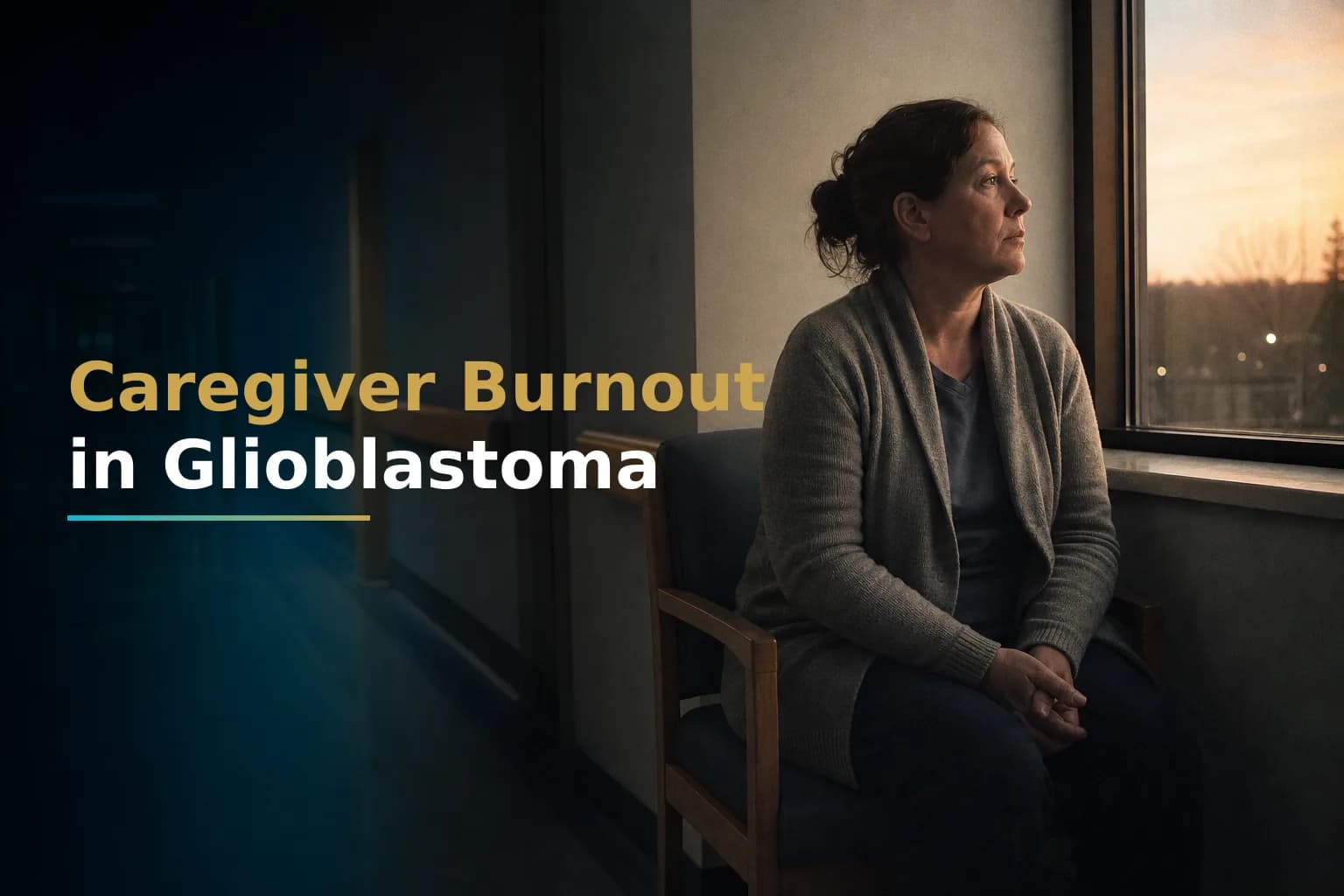
Caregiver burnout is not a character flaw, and it is not rare. When you are managing a glioblastoma diagnosis for someone you love, burnout is a predictable outcome of sustained, high-intensity caregiving without adequate support. This article explains what burnout looks like in GBM caregiving, why this disease makes it worse, and which strategies actually help.
What Is Caregiver Burnout?
Burnout is a state of physical, emotional, and mental exhaustion caused by prolonged, high-demand caregiving. It's not the same as a bad week. It builds gradually, doesn't get better after a night of sleep, and often reaches a crisis point before the caregiver recognizes it for what it is.
With glioblastoma, burnout is worse because treatment timelines are compressed, decisions come fast, and the disease itself can change the person you are caring for in ways that are hard to explain to anyone outside the situation.
Why Glioblastoma Caregiving Creates Unusual Demands
Standard-of-care GBM treatment involves daily radiation sessions for roughly six weeks, followed by multiple cycles of temozolomide chemotherapy. During this time, the caregiver typically manages transportation, medication schedules, communication with the care team, and most of the household functions the patient can no longer handle. That workload rarely lets up between cycles.
Beyond logistics, glioblastoma tumors frequently affect frontal lobe function. This can cause personality changes, impulsivity, apathy, or emotional unpredictability in the patient - shifts that are neurological, not intentional, but the caregiver still experiences them as a form of loss. If you have noticed changes in your loved one's behavior, the article on personality and behavioral changes in glioblastoma explains the neuroscience behind these shifts and what caregivers typically encounter.
Research published in Neuro-Oncology Practice found that among caregivers of patients with high-grade glioma undergoing combined chemoradiotherapy, 31% reported moderate distress and a further 31% reported extreme distress. At that same baseline assessment, nearly half of caregivers showed clinically significant anxiety symptoms and more than a quarter showed signs of depression. These are not fringe cases. They reflect the standard experience of active GBM caregiving.
Caregivers also carry anticipatory grief alongside active hope. The prognosis for GBM is serious, and most caregivers are aware of this. Holding both the drive to pursue treatment and the awareness of what the disease may bring creates strain that ordinary stress management techniques rarely address on their own.
Caregiver fatigue is real and physically measurable. It's different from - but easy to confuse with - the fatigue the patient experiences during treatment. The article on managing glioblastoma fatigue during treatment covers the biology of treatment-related fatigue in the patient, which can help you understand where the patient's needs end and your own exhaustion begins.
What Are the Warning Signs of Caregiver Burnout?
Burnout in GBM caregiving typically presents as a combination of physical exhaustion that doesn't get better with rest, emotional numbness or detachment, irritability out of line with everyday triggers, withdrawal from social contact, neglect of your own medical needs, and cognitive difficulty such as trouble concentrating or making decisions. Most caregivers notice the signs only after burnout has already taken hold.
Specific warning signs to watch for include:
- Persistent physical exhaustion that doesn't get better after a full night of sleep or a day with fewer demands
- Emotional numbness or detachment - feeling disconnected from the patient, from the treatment process, or from your own feelings
- Irritability out of line with the trigger - a short fuse with family members, medical staff, or minor annoyances
- Neglecting your own health - skipping your own medical appointments, ignoring pain, or stopping exercise entirely
- Social withdrawal - declining contact with friends or support networks, feeling that no one outside the situation could understand
- Cognitive difficulties - trouble concentrating, forgetting important tasks, or struggling to reach decisions that once felt routine
- Loss of personal identity - feeling that nothing you do makes a real difference, or that you have no self outside the caregiving role
Why Caregivers Often Don't Ask for Help
Most caregivers think much more about the patient's next scan than about their own health. This is partly instinct and partly an unspoken belief that asking for help means you can't handle it - or that focusing on yourself is betrayal of someone who is critically ill.
There's also a practical problem. When every week is structured around treatment appointments, bloodwork, and medication schedules, finding time for your own support can feel impossible.
Both are understandable. Neither helps the patient. A burned-out caregiver makes more errors, communicates less clearly with the treatment team, and has fewer resources at the critical decision points that GBM treatment consistently produces. Taking care of yourself isn't a luxury separate from the treatment plan - it's part of it.
Practical Strategies That Reduce Burnout
The strategies with the most consistent evidence are not complicated, but they require deliberate structure. Vague guidance like be sure to take care of yourself rarely translates into changed behavior. The following approaches are more actionable.
Delegate specific, named tasks. When people offer to help, give them a concrete job: grocery delivery on Thursdays, driving to one weekly appointment, cooking dinner twice a week. Open-ended offers - let me know if you need anything - almost never get done by either party. A named task removes the friction.
Create information windows. Limit how often you check scan reports, research articles, or clinical trial databases to set times each day - for example, 30 minutes in the morning and 30 minutes in the evening. Constant information scanning keeps you on edge and is one of the most common drivers of caregiver exhaustion that goes unrecognized.
Protect one non-medical routine. Identify one regular activity that has nothing to do with treatment - a walk, a weekly phone call with a friend, a meal you cook for yourself. This is not indulgence. It is a structural reset that helps maintain the sense of self that burnout gradually erodes.
Address sleep as a separate priority. Sleep problems damage your health more than most other caregiver stresses. If the patient's nighttime needs regularly interrupt your sleep, arrange rotating night coverage when possible. For caregivers whose anxiety keeps you awake separate from the patient's needs, it's fine to look at over-the-counter options - you can explore Ayurnomics's Sleep and Stress range for Ayurvedic formulations designed to support sleep quality alongside conventional sleep hygiene strategies.
Use active coping strategies at appointments. Research shows that programs combining educational support, emotional support, and a structured needs assessment work best at reducing caregiver stress over time. Active coping - taking notes during consultations, focusing on one decision at a time rather than the whole prognosis picture - works better than avoidance for reducing caregiver stress. Ask the care team to explain things after the appointment instead of trying to catch everything when you're stressed.
Professional Support: What It Looks Like and Where to Find It
Oncology social workers are one of the most underused resources in GBM caregiving. Most major cancer centers have them, they understand the treatment environment, and your insurance usually covers them as part of your cancer center care. They can help with practical needs - insurance navigation, transport, respite options - and with emotional processing. If you haven't yet been introduced to the social work team, ask the neuro-oncology nurse coordinator directly at the next visit.
For caregivers whose distress is clinically significant - persistent anxiety, depression symptoms, or relationship breakdown - a therapist with specific experience in cancer caregiving or anticipatory grief is more appropriate than a general counselor. Short 6-8 session programs help in this situation. The depression and anxiety that develop in GBM caregivers are as clinically real and as treatable as they are in the patient. The article on depression and anxiety during glioblastoma treatment covers the clinical picture from the patient side, and many of the same assessment and referral pathways apply to caregivers.
Caregiver-specific support groups - not general cancer support groups - offer a different kind of help. You can talk freely without worrying about the patient hearing you. The American Brain Tumor Association's support group directory and the National Brain Tumor Society's caregiver resources both include GBM-specific and caregiver-only formats, available in person and virtually.
If you're at a difficult decision point - weighing second-line treatment options, considering whether the current protocol is still the right one, or trying to understand what options exist beyond what the local team has discussed - you don't have to do that research by yourself. You can speak with the Art of Healing Cancer team about your case and get structured clinical input from specialists who focus specifically on GBM and high-grade glioma.
What the Research Says About Effective Caregiver Interventions
Research shows that the most effective programs combine three elements: education about the disease and treatment, dedicated emotional support, and a regular structured needs assessment rather than a one-time conversation. Programs addressing only one of these components show smaller and shorter-lasting effects. A checklist handout alone, or a single counseling session at diagnosis, is unlikely to be sufficient for a caregiver experiencing active burnout months into treatment.
The research also distinguishes between active and avoidant coping. Active coping - taking notes, focusing on one decision at a time, seeking practical information about the next phase of treatment - helps reduce caregiver stress. Avoidant coping - pushing the situation out of mind, refusing to engage with difficult information - produces worse outcomes over time. Active coping doesn't require forced optimism. It just means paying attention to what you can control right now while still understanding the bigger picture.
If you are coordinating a GBM treatment plan and want an independent clinical review - to check that all options are on the table or to structure your next steps - you can upload MRI scans and reports via the Glioblastoma Center patient-journey form to request a structured remote review by the team.
When to Talk to Your Doctor
Raise caregiver burnout directly with the neuro-oncology team if you recognize three or more of the warning signs listed above at the same time. Ask specifically for a referral to the oncology social worker, a caregiver needs assessment, or information on local respite services. If you are experiencing significant anxiety, persistent depression, or any thoughts of self-harm, contact a mental health professional without waiting for the next oncology appointment. These are medical issues with medical solutions, and you don't have to wait for a crisis before seeking them.
This article is for general information and is not a substitute for medical advice. Always consult your oncologist or care team about your specific situation.